

The Las Vegas Review-Journal Asked Me About Luxury Real Estate. Here's What I Told Them.
I was recently featured in the Las Vegas Review-Journal's Vegas Business section, discussing what makes the Las Vegas luxury market different, why I focus on strategy and results over name recognition, and how AI is changing luxury real estate marketing. My success rate is above 95% in the luxury market, and 100% on homes priced above 5 million dollars, and that track record shapes how I approach every listing. The interview also touched on my community work with Habitat for Humanity Las Vegas and Keystone Corporation. Here's a recap, along with a link to the full piece.

Why Summerlin's 89138 Zip Code Is One of the Hottest in America Right Now
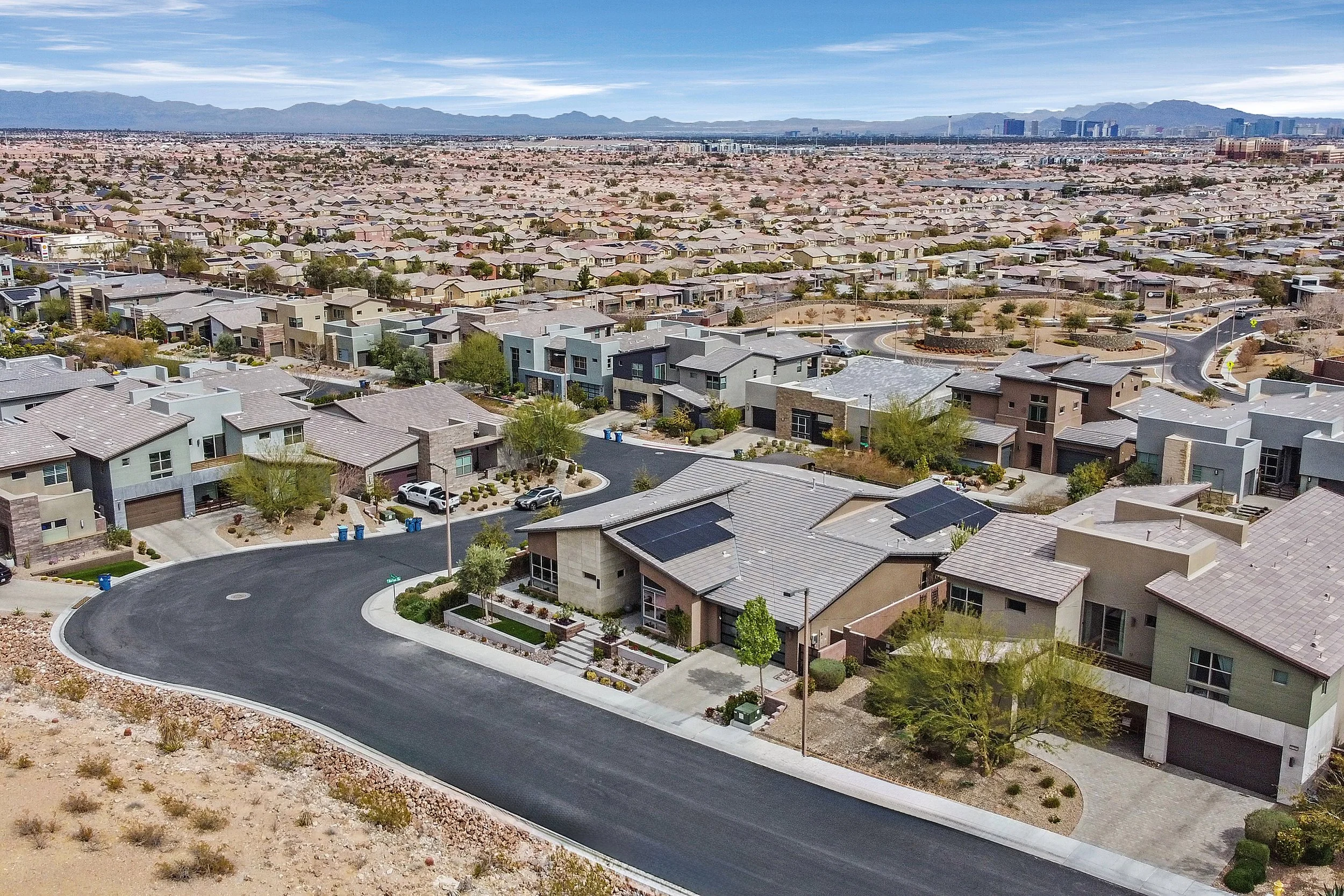
Summerlin's 89138 zip code has emerged as one of the most sought-after residential addresses in the country, and the data explains why. A recent study from the California Policy Lab at UC Berkeley confirmed Nevada ranks first in the nation for per capita in-migration from California. The largest single corridor runs from Los Angeles County to Clark County, with Summerlin West absorbing a significant share of that demand. The appeal is concrete: Nevada's zero state income tax saves California households between $14,000 and $20,000 annually, while Las Vegas housing runs roughly half the cost of coastal California metros. The 89138 zip code, which includes communities like The Paseos, Reverence, and Stonebridge, combines those financial advantages with mountain views, Red Rock Canyon trail access, guard-gated communities, and top-rated schools. The buyer arriving in this market today is often arriving with California equity, clear priorities, and a plan.
The Market Was Finally Waking Up. Then the World Got Complicated.
Mortgage rates finally dipped below 6% in early 2026, reviving buyer activity after years of suppressed sales. Then the Iran conflict hit, sending rates back into the mid-6% range almost overnight and stalling the momentum that had been building for months. But the underlying housing shortage of roughly 4 million homes hasn't changed. As the situation stabilizes, buyers are returning to the market. Those who act now have negotiating leverage that will likely disappear once broader confidence returns and competition heats up. The next 6 to 12 months may represent a meaningful buying window.

What's Really Driving the Las Vegas Housing Market Right Now
About half of Las Vegas buyers right now are coming from out of state, and roughly half of those pay cash, making them largely immune to rate volatility. That migration is reshaping the market in ways national headlines miss. Homes under $500,000 are holding with steady inventory, but above $1 million inventory sits at 8.5 months and sellers are having to adjust expectations. A decade of underbuilding has left the valley an estimated 100,000 homes short at the entry level. Understanding the Las Vegas market means looking at specific price segments, not averages.
Your Guide to Buying in Summerlin in 2026: New Neighborhoods, Builder Incentives, and What to Know Before You Shop
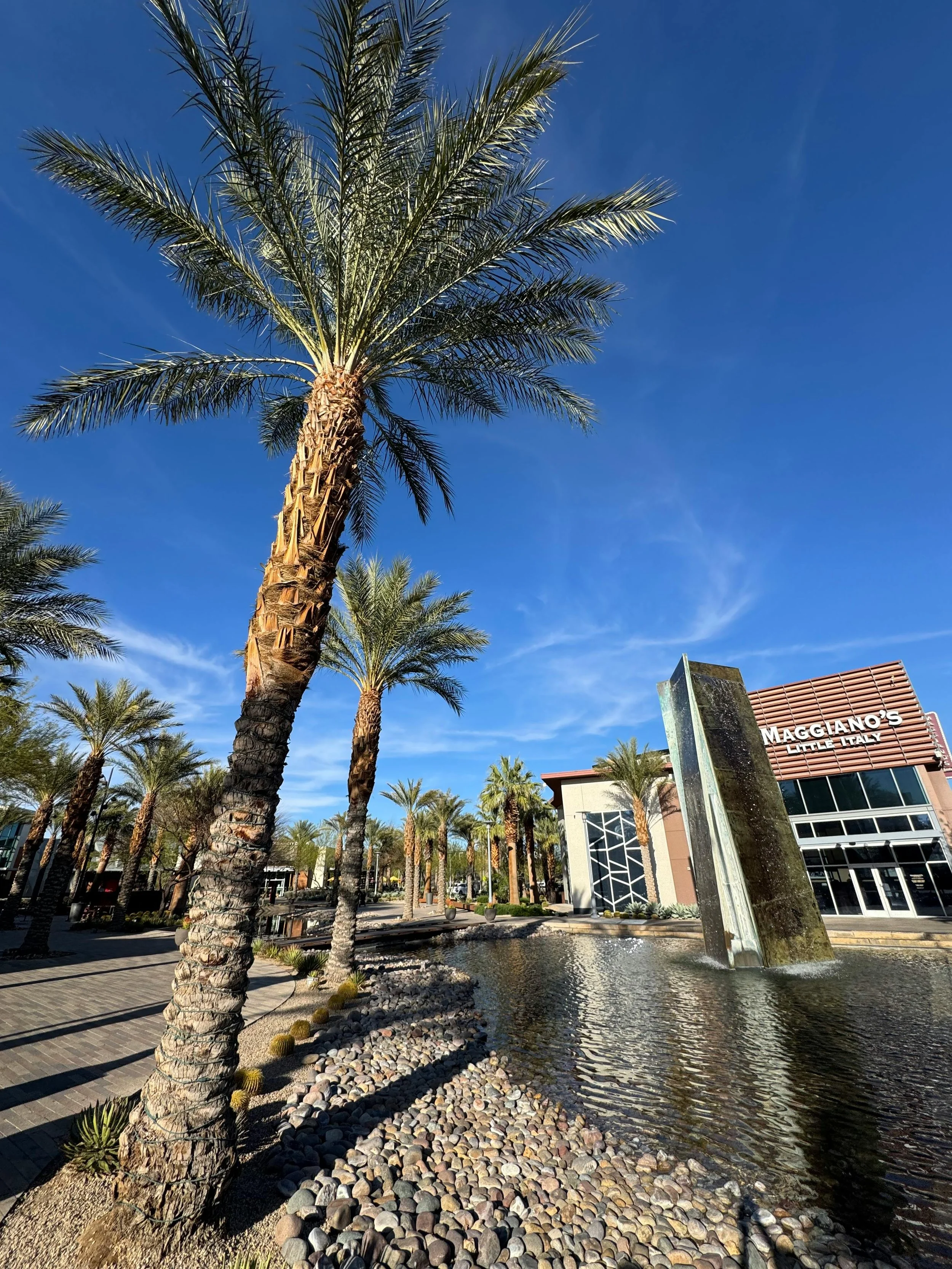
Summerlin is opening 11 new neighborhoods in 2026, backed by more than $400 million in builder land investment from names like Toll Brothers and Richmond American Homes. Combined with a buyer-favorable as Vegas market and active builder incentives, this is one of the more opportune moments to purchase in this community in recent years. This guide covers what to expect from new construction versus resale, how to evaluate incentive packages, and what Summerlin’s distinct villages offer buyers at different price points.
When Is the Best Time to Sell Your Las Vegas Home? Here's What the Data Actually Says
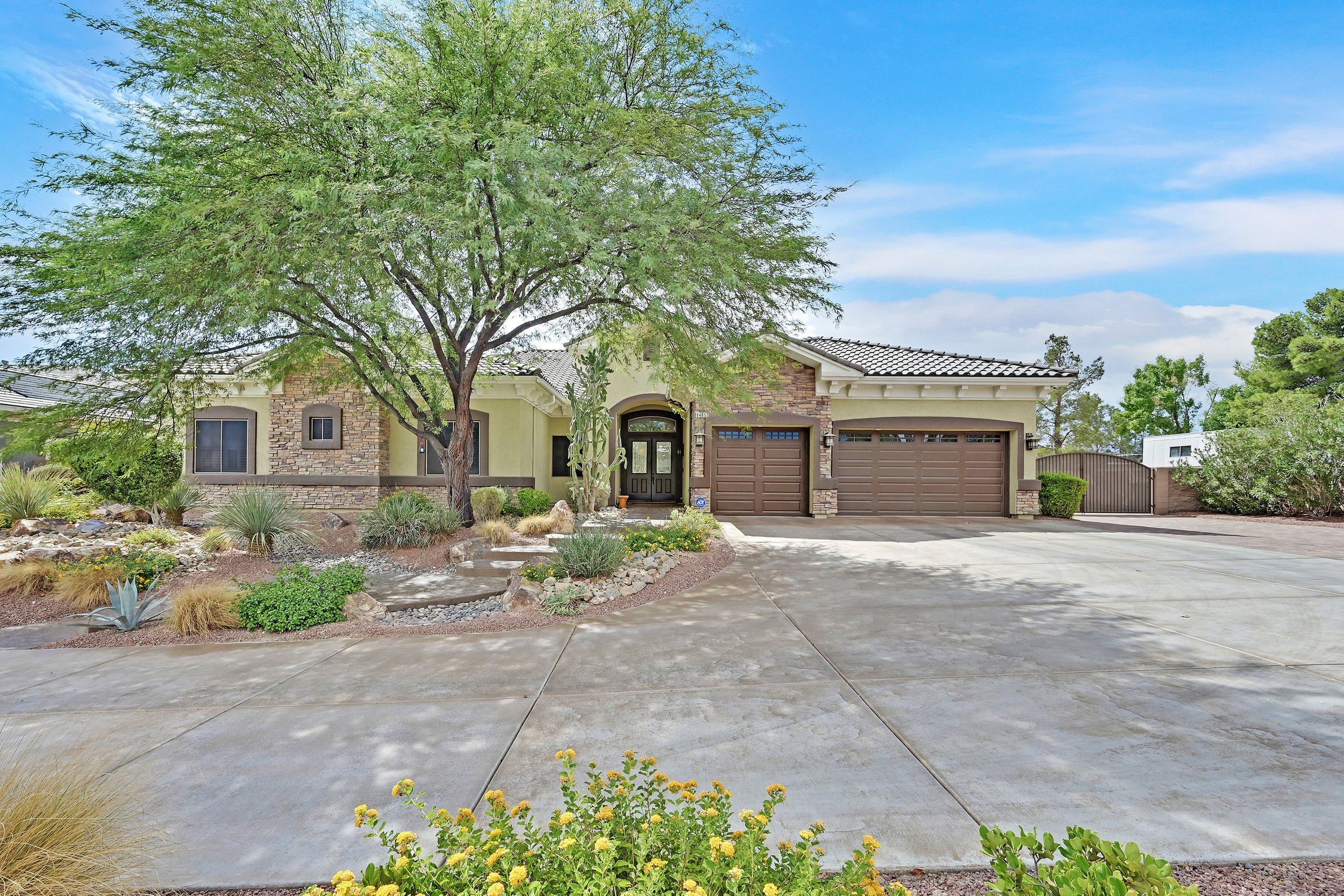
Zillow and Realtor.com's 2026 reports both point to mid-April through late May as the best time to sell nationally. In Las Vegas, the local data tells a slightly more specific story. Zillow identified the first two weeks of May as the valley's sweet spot, with sellers earning about $5,900 more than average. Las Vegas also has a summer heat factor that most markets don't, compressing the buyer pool once temperatures climb above 110 degrees. For sellers across the valley, the takeaway is clear: the spring window is open right now, and preparation still matters more than perfect timing.
Las Vegas Just Made the National Buyer's Market List. Here's What That Actually Means for You.
Las Vegas landed on Realtor.com's national top 10 buyer's market list, with 6.9 months of housing supply giving buyers more options and negotiating leverage than they've had in years. Active listings are up 25% year over year and homes are sitting longer, creating real opportunities in communities like Summerlin and Henderson. But buyer's market does not mean cheap market. Prices are stabilizing, not falling. The shift means sellers are more flexible on concessions, inspections, and terms. With mortgage rates potentially declining later in 2026, this window of buyer leverage may close faster than many expect.



National home equity is falling, but Las Vegas bucks the trend. While U.S. household real estate values dropped $361 billion in Q3 2025 and equity-rich homes declined nationwide, Vegas homeowners maintain strong positions with just 0.5% distressed sales.
Our market's resilience stems from locked-in low mortgage rates (averaging 4%), economic diversification, zero state income tax, and sustainable price growth. Unlike Sun Belt markets experiencing sharp corrections, Las Vegas prices are down only 2% from peaks—a healthy normalization, not a crisis. Local homeowners should feel confident despite concerning national headlines.