
Why Las Vegas Homeowners Don't Need to Panic About the Colorado River Crisis
If you've been following news about the Colorado River negotiations, you might be feeling anxious about water security in Las Vegas. Headlines about declining reservoir levels, interstate conflicts, and federal intervention can sound alarming—especially if you own property here or are considering buying in the valley.
Here's what you need to know: Las Vegas is not the problem. In fact, we're leading the solution.
The Real Numbers Tell a Different Story
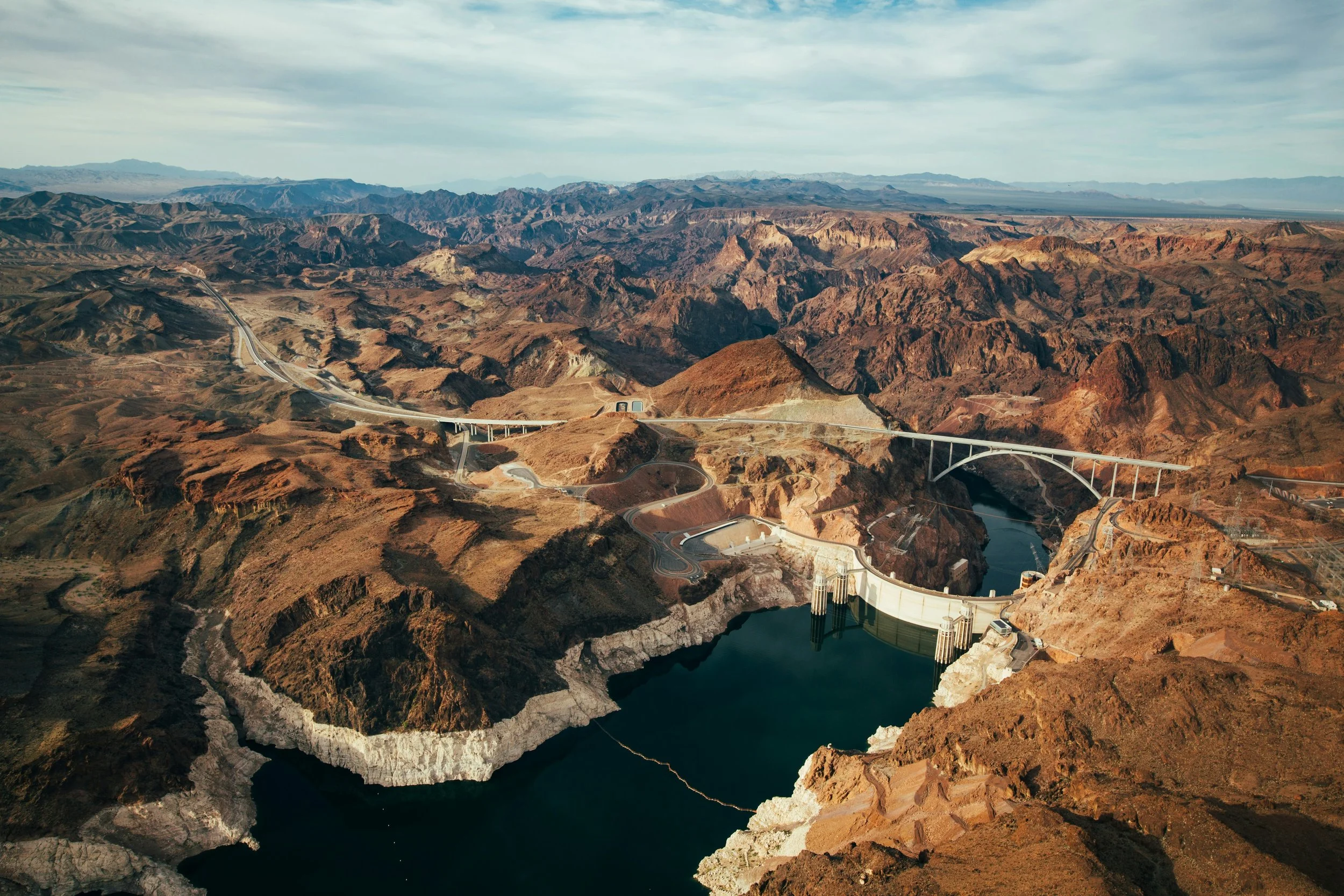
Nevada's allotment from the Colorado River is just 300,000 acre-feet per year. To put that in perspective, there's a single farm in California that uses more water than all of Southern Nevada combined.
Even more impressive? Las Vegas consistently uses less than our full allotment, and we recycle and reuse 99% of our indoor water. That conservation leadership makes us one of the most water-efficient cities anywhere in the country—arguably in the world.
"Vegas has done the work," notes local real estate expert Zach Walkerlieb, a fourth-generation Las Vegas native. "We've built the most efficient water system on the Colorado River. The real pressure isn't coming from Las Vegas—it's coming from the supply side and from bigger users who are still wasting water."
Where the Real Problem Lies
While seven states scramble to negotiate water-sharing agreements, the conversation keeps circling back to the same fundamental issues: declining snowpack and wasteful water practices in other states.
This year's snowpack feeding the Colorado River sits at just 61% of normal levels. Less snow means less runoff, which means less water flowing into Lake Mead and other critical reservoirs. That's a supply problem that affects everyone who depends on the river—approximately 40 million people across the Southwest.
But here's where the story gets frustrating for conservation-minded Las Vegas residents: California continues to allow significant water runoff to flow into the ocean, still permits flood irrigation on farms (an incredibly wasteful practice), and has repeatedly delayed development of desalination plants that could take pressure off the Colorado River.
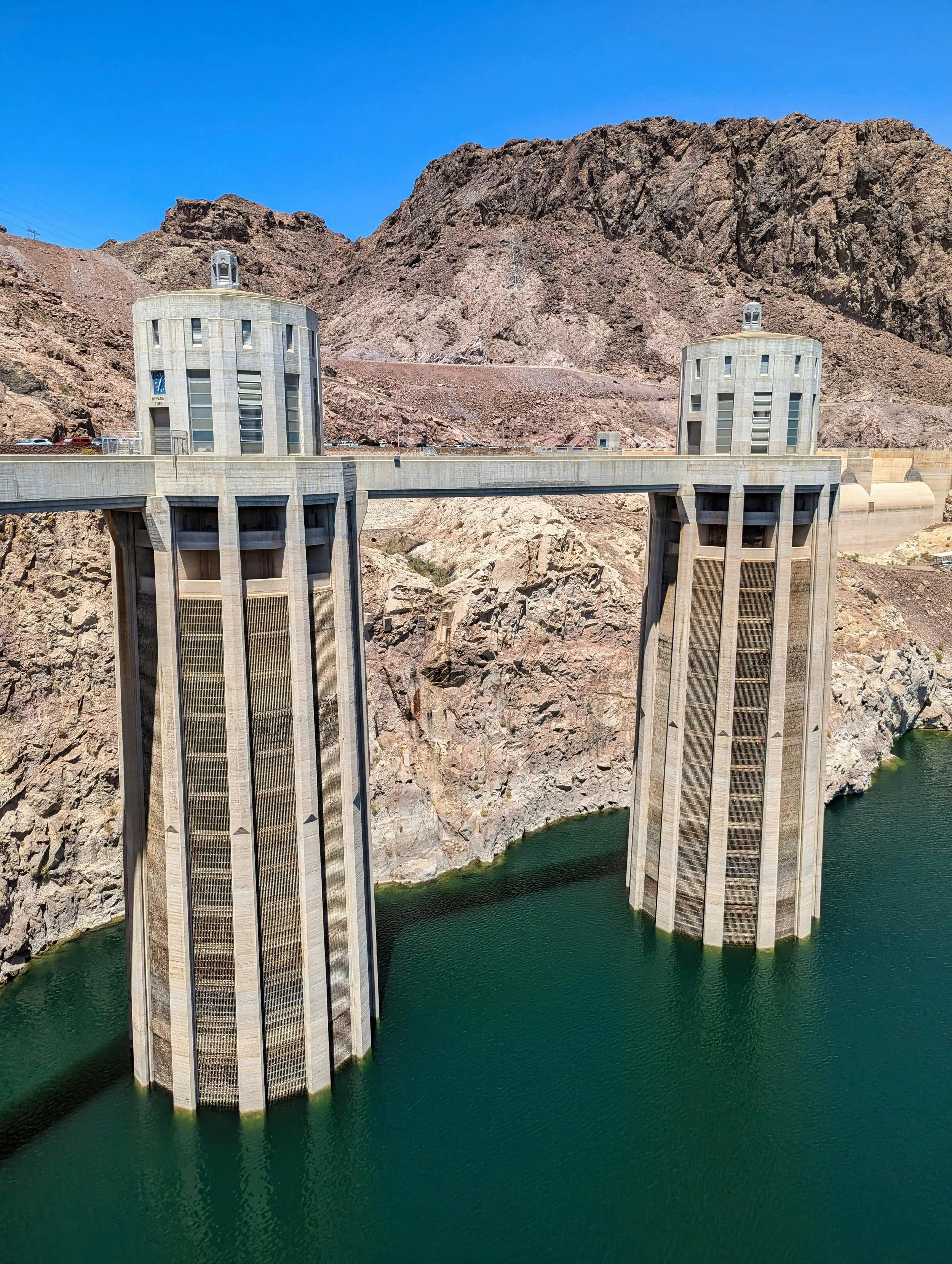
In contrast, Las Vegas has invested billions in water infrastructure, including the crucial Low Lake Level Pumping Station that ensures Southern Nevada can continue drawing water even if Lake Mead drops to "dead pool" levels—a point where Hoover Dam could no longer send water downstream to Arizona and California.
What This Means for Las Vegas Property Owners
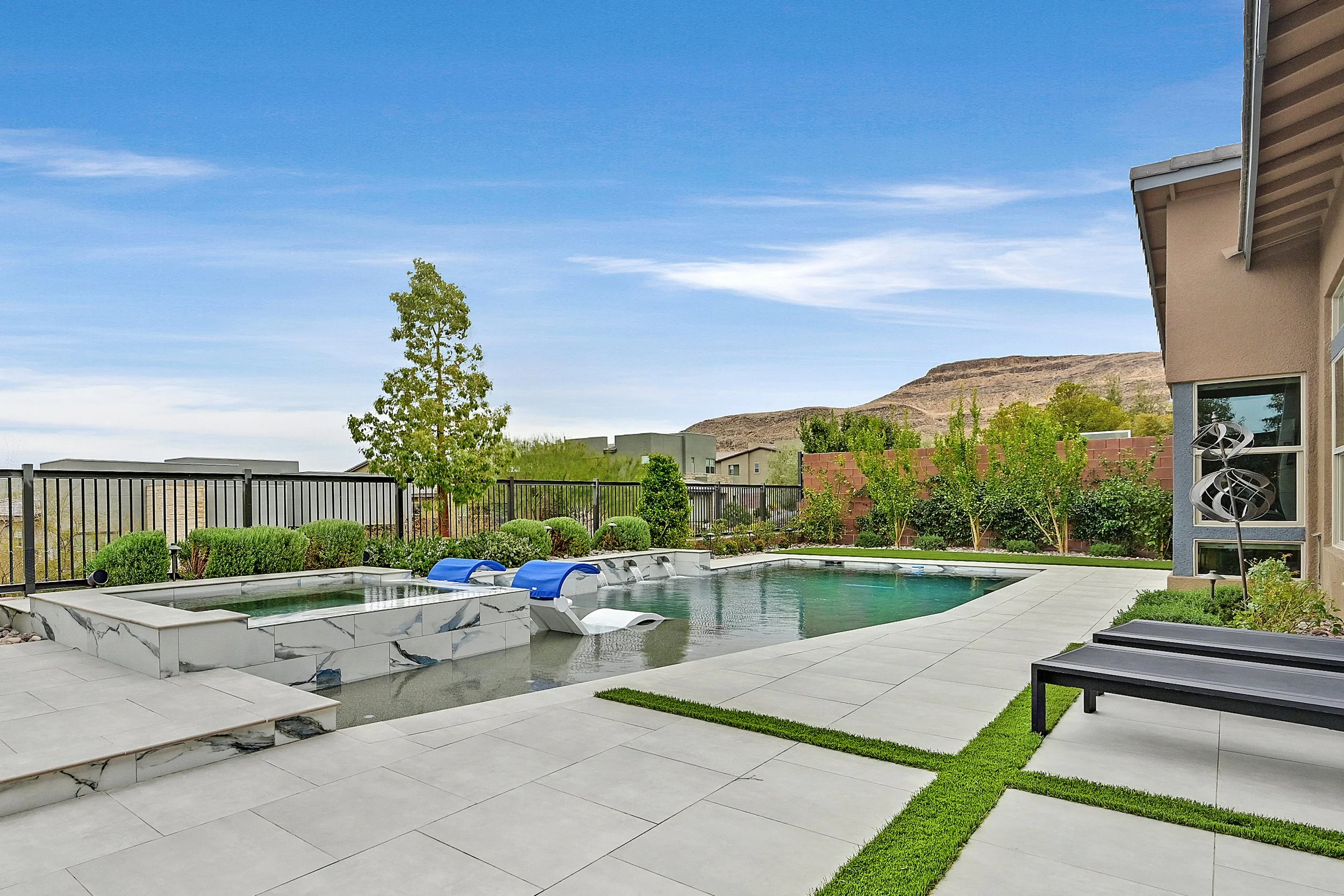
The ongoing interstate negotiations and potential federal intervention don't change the fundamental calculus for Las Vegas homeowners and buyers: this city has prepared for water scarcity in ways that other communities haven't.
Southern Nevada's 2.3 million residents routinely use less than the region's full 300,000 acre-feet allotment. Our water authority has built redundant systems, invested in conservation technology, and created a culture of water consciousness that simply doesn't exist in many other parts of the Southwest.
When negotiators talk about mandatory cuts—potentially between 2.5 and 3 million acre-feet from Lower Basin states—Nevada isn't likely to face significant reductions compared to Arizona and California. Why? Because we've already done the heavy lifting on conservation.
The Policy to Watch
For homeowners and prospective buyers, the key isn't to panic about headlines—it's to watch the policy decisions unfold with an understanding of where Las Vegas stands.
"A fair deal only happens if the biggest users stop wasting water," Walkerlieb explains. "California still allows runoff to the ocean, still uses flood irrigation, and keeps delaying water desalination plants which would take pressure off the Colorado River quickly."
The Trump administration's approach to federal land and resource management may shift dynamics in unexpected ways, but Nevada's strong conservation record and limited allocation give the state considerable leverage in negotiations. We're not the ones who need to make drastic changes—we've already made them.
What About Property Values?
Water security concerns occasionally surface in conversations about long-term property values in desert cities. But Las Vegas's proactive approach to water management actually strengthens the case for investing here rather than weakening it.
Communities in Summerlin, Henderson, and throughout the valley benefit from some of the most sophisticated water infrastructure in the country. The Southern Nevada Water Authority's investments in conservation, recycling, and low-level pumping capabilities mean that homes here have more water security, not less, compared to properties in other Colorado River-dependent regions.
For buyers relocating from California or other Western states, Las Vegas offers a compelling combination: lower cost of living, no state income tax, and ironically, better long-term water planning than many of the places they're leaving.
The Bottom Line for Homeowners and Buyers
Should you be aware of Colorado River negotiations? Absolutely. Water is a critical resource, and understanding the regional water picture is part of being an informed property owner in the Southwest.
Should you panic or reconsider buying in Las Vegas because of water concerns? No. Here's why:
First, Nevada's small allocation means we're not a major player in the water crisis—we're a minor user who has already maximized efficiency. Second, Las Vegas has invested in infrastructure that ensures continued water access even in worst-case scenarios that would devastate other communities. Third, our conservation leadership gives Nevada negotiating power and positions us favorably in any agreement.
"Don't panic—watch the policy," Walkerlieb advises. "Vegas has leverage because we've already built the most efficient system on the river. It's California who needs to get their act together, conserve more water, and come to the table with real solutions."
Looking Ahead
The Colorado River crisis is real, and it will require cooperation, innovation, and compromise from all seven states that depend on it. But Las Vegas enters these negotiations from a position of strength, not weakness.
We've done our homework. We've made the investments. We've changed our water culture in ways that took decades to achieve. That work protects not just our water supply, but also the property values and quality of life that make Las Vegas such an attractive place to live.
For homeowners, that means confidence. For buyers, it means opportunity. And for everyone watching the Colorado River negotiations unfold, it means understanding that Las Vegas is part of the solution—not part of the problem.
Questions About Las Vegas Real Estate and Water Security?
If you're considering buying or selling property in Las Vegas and want to understand how water issues, growth trends, and policy changes might affect your decision, reach out to someone who knows this market inside and out. As a fourth-generation Las Vegas local with deep roots in the community, Zach Walkerlieb provides the insider perspective you need to make informed real estate decisions.

Contact Zach Walkerlieb at Willow Manor to discuss your Las Vegas real estate questions and get expert guidance tailored to your specific situation.
About the Author
Zach WalkerLieb is a top Las Vegas real estate agent and Managing Partner of Willow Manor, one of the city’s leading luxury real estate teams. With hundreds of millions in closed sales, Zach brings a deep, practical understanding of the Las Vegas housing market, from high-end luxury to everyday residential realities. Beyond real estate, he serves as Chairman of the Board for Habitat for Humanity and as a board member of Keystone Corporation, giving him firsthand insight into housing policy, affordability, and long-term community development. Known for clear thinking, market truth, and local expertise, Zach writes to help buyers, sellers, and investors make confident, well-informed decisions in Las Vegas real estate.